THE FIRST
LADY OF
LABOR
A premium limited series about the woman who built America's safety net—and paid for it with everything she had.


Frances Perkins
CASTING IS CONCEPTUAL
A Pitch by Kevin Mangini
The Only Woman in the Room
Walking into rooms of men, Frances broke barriers and changed history
Champion of the Working Class
Frances didn't lead from a desk—she led from the field, standing with the workers whose lives she fought to protect
WHY THIS LANDS NOW
Audiences are drawn to competence narratives in an era of institutional distrust
Prestige historical drama is shifting from nostalgia to relevance
Growing appetite for female-led power stories that aren't biopics or victim narratives
Frances Perkins offers scale (nation-shaping) with intimacy (one woman against a system)
THE SERIES
Eight episodes. One woman who changed everything.
From the Triangle Shirtwaist Fire to the New Deal, from Albany to Washington, this is the story of Frances Perkins—a woman who walked into rooms where she wasn't wanted and left them transformed.
But every victory came with a cost.
While she built America's safety net, her husband's mental illness spiraled. While she negotiated with presidents, her daughter grew up without her. While she fought for millions of workers, she sacrificed her own peace, her privacy, and her family's stability.
Social Security. Unemployment insurance. The forty-hour work week. The minimum wage.
These weren't gifts. They were battles. And she won them all—but not without losing parts of herself along the way.
Casting is conceptual
THE COMPARISON
THE CROWN
meets
DEATH BY LIGHTNING
CASTING VISION
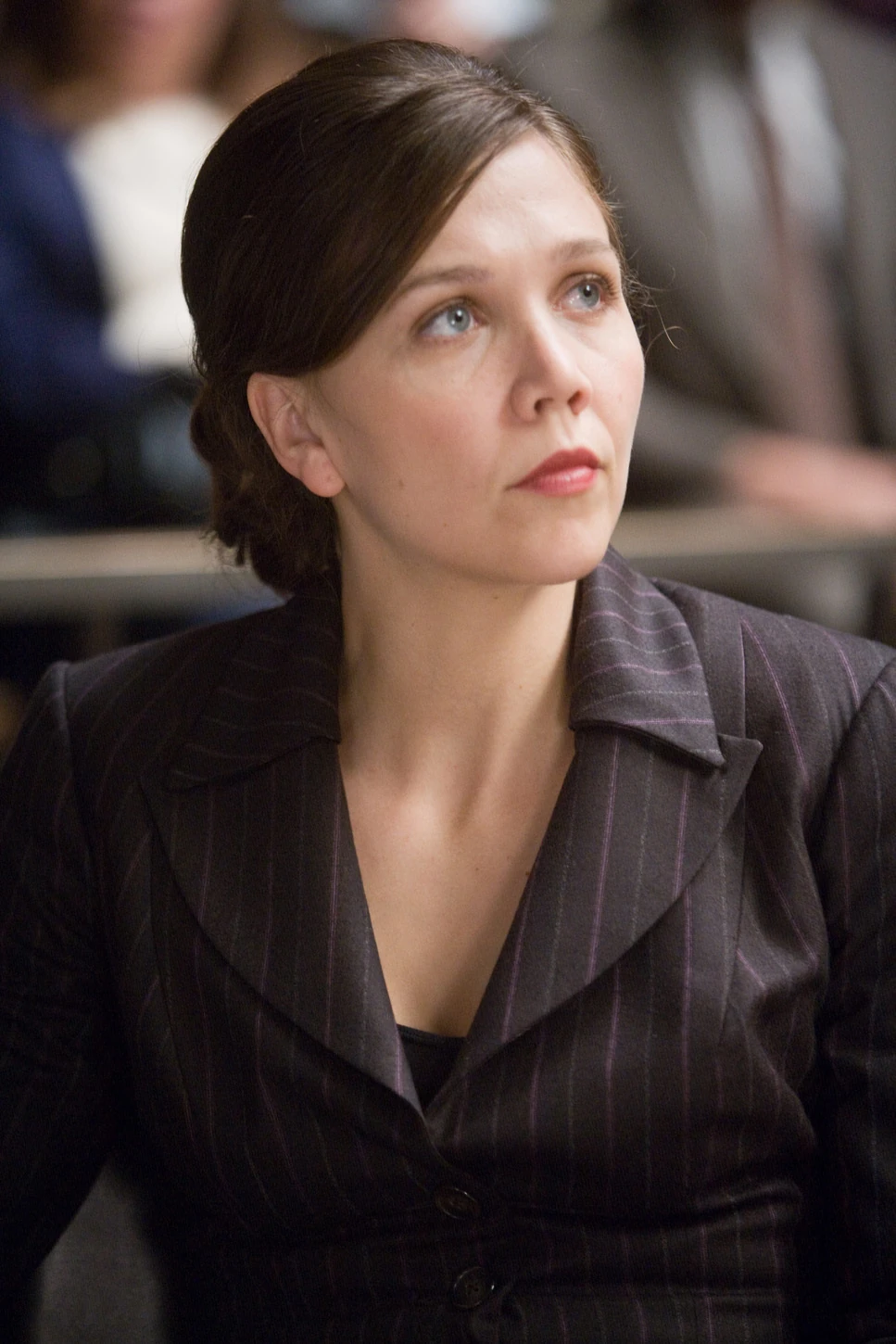
FRANCES PERKINS
Maggie Gyllenhaal
Restraint, precision, and hidden fire
Alt: Elisabeth Moss, Cate Blanchett, Laura Linney

FRANKLIN D. ROOSEVELT
Jeremy Strong
The Charmer
Alt: Bryan Cranston, Oscar Isaac, Adrien Brody

ELEANOR ROOSEVELT
Merritt Wever
The Conscience
Alt: Laura Dern, Elizabeth Debicki, Carey Mulligan

AL SMITH
Paul Giamatti
The Mentor
Alt: Vincent D'Onofrio, John C. Reilly
PAUL WILSON
Frances' Husband
Alt: Michael Shannon, Oscar Isaac, Paul Dano
HARRY HOPKINS
New Deal Architect
FDR's closest advisor, social reformer
Alt: Paul Dano, Jesse Plemons, Michael Shannon
FRANCES WILSON
Frances' Daughter
The cost of ambition, generational trauma
Alt: Sadie Sink, Thomasin McKenzie, Kaitlyn Dever
MARY HARRIMAN RUMSEY
Lifelong Friend
Frances' emotional anchor (1881-1934)
Alt: Tilda Swinton, Cate Blanchett, Julianne Moore
SIDNEY HILLMAN
Labor Leader
CIO founder, immigrant success story
Alt: Mark Ruffalo, Michael Stuhlbarg, Stanley Tucci
HAROLD ICKES
Interior Secretary
Cabinet ally, served full 12 years
Alt: J.K. Simmons, John Turturro, Brian Cox
PARTNERSHIP ECOSYSTEM
BEAUTY & PERSONAL CARE
Women's empowerment through self-care and confidence. Frances broke barriers in male spaces while maintaining her identity—brands that celebrate authentic femininity and strength align with her legacy of refusing to choose between power and femininity.
SPORTS & EMPOWERMENT
Athletic brands championing women's equality and fair play. Frances fought for workplace safety and fair wages—the same values that drive modern sports equity movements and brands investing in women's athletics.
TECHNOLOGY
Innovation and systemic transformation. Frances used policy as technology to rebuild society—tech brands disrupting industries and creating new systems mirror her approach to solving impossible problems through structural change.
LUXURY & FASHION
Heritage craftsmanship and enduring legacy. Frances built institutions meant to last generations—luxury brands with century-long histories understand the value of timeless quality and lasting impact over fleeting trends.
AUTOMOTIVE
Manufacturing, labor, and American industry. Frances championed factory workers and workplace safety during the rise of American auto manufacturing—brands rooted in labor history and industrial innovation connect directly to her legacy.
SPIRITS & HOSPITALITY
Celebration of achievement and social progress. Frances navigated power through social settings and behind-the-scenes negotiations—premium spirits brands understand how influence operates in intimate, sophisticated spaces where deals are made.
Plus institutional partnerships with museums, labor organizations, and educational foundations
MUSIC & SOUNDTRACK
Period-authentic scoring with contemporary emotional depth
Musical Direction
The score will draw from the musical landscape of the 1930s and 1940s—big band jazz, swing, and American folk music—while incorporating modern orchestration techniques. This approach honors the period while ensuring the music speaks to contemporary audiences.
Key Musical Themes
- Frances' Theme: Piano-led melody evolving from tentative to confident
- The New Deal Theme: Bold brass representing political ambition
- Opposition Theme: Discordant motif representing institutional resistance
- Workers' Theme: Folk-influenced melody representing American labor
Featured Period Music
- • "Brother, Can You Spare a Dime?" - Bing Crosby (1932)
- • "Sing, Sing, Sing" - Benny Goodman (1936)
- • "Strange Fruit" - Billie Holiday (1939)
- • "God Bless America" - Kate Smith (1938)
- • "This Land Is Your Land" - Woody Guthrie (1940)
Contemporary Covers: Bridging Generations
Modern artists reimagine period songs, connecting 1930s-40s struggles to today's movements. These covers create emotional resonance across generations while offering commercial soundtrack appeal.
- • Sienna Spiro - "Strange Fruit" / "God Bless the Child" (Billie Holiday repertoire)
- • Brandi Carlile - "Brother, Can You Spare a Dime?"
- • Olivia Dean - "Which Side Are You On?"
- • Izzy Escobar - "Bread and Roses"
- • Maggie Rogers - "This Land Is Your Land"
Composer Vision
Ideal composers bring experience in both period drama and contemporary prestige television. Think Ramin Djawadi (Death by Lightning, Game of Thrones), Nicholas Britell (Succession), or Daniel Pemberton (The Trial of the Chicago 7). The contemporary covers strategy opens opportunities for Grammy-winning producers to bridge historical authenticity with modern sonic landscapes.
THE SERIES ENGINE
This isn't a biography. It's a pressure cooker.
Moral Compromise vs. Survival
Every victory requires a deal. Every principle has a price. Frances must choose which battles to fight and which to lose—knowing lives hang in the balance.
Public Responsibility vs. Private Cost
She's building America's safety net while her own family falls apart. Her husband's mental illness, her daughter's needs, her own exhaustion—all sacrificed for the greater good.
Political Chess vs. Human Tragedy
She's not just fighting for policy—she's fighting against real enemies. Wall Street, labor bosses, fascist sympathizers, and a president who won't always back her up.
"Every episode traps Frances between impossible choices. She's not a hero making speeches—she's a woman making sacrifices. And every sacrifice changes history."
EPISODE BREAKDOWN
Eight episodes chronicling Frances Perkins' journey from witness to power—with strategic brand integration opportunities for legacy partners.
Episode 1: "The Fire"
March 25, 1911 — Triangle Shirtwaist Factory
Frances witnesses the Triangle Shirtwaist Factory fire from Washington Square. 146 workers—mostly young immigrant women—die. This trauma becomes her North Star. We see her privileged Mount Holyoke background clash with the brutal reality of industrial America.
Brand Partner Tie-In: American Express
Period-accurate financial documents and immigrant worker payroll scenes. AmEx's heritage as a trusted financial institution for working families aligns with themes of economic security and upward mobility.
Episode 2: "The Apprentice"
1912-1918 — Albany, New York
Frances becomes Al Smith's protégé in Albany. She learns the art of political maneuvering while investigating factory conditions. Her marriage to economist Paul Wilson provides emotional grounding as she navigates a male-dominated world. The suffrage movement intensifies around her.
Brand Partner Tie-In: Dove
Frances challenges the masculine political establishment while refusing to conform to traditional feminine expectations. Dove's "Real Beauty" and women's empowerment campaigns align with her authentic leadership--commanding respect through competence, not conformity. She redefines what power looks like.
Episode 3: "The Only Woman in the Room"
1929-1933 — New York & Washington
The Great Depression hits. FDR, now governor, appoints Frances as New York's Industrial Commissioner—the highest state post ever held by a woman. She implements groundbreaking labor reforms while managing her husband's deteriorating mental health. FDR wins the presidency and offers her the ultimate test: Secretary of Labor.
Brand Partner Tie-In: Tiffany & Co.
Frances' iconic tricorn hat and pearl necklace become her signature—understated American elegance that commanded respect. Tiffany & Co.'s legacy of empowering women through timeless design aligns with Frances' deliberate style: classic, powerful, and unapologetically feminine in male-dominated spaces.
Episode 4: "The First 100 Days"
March-June 1933 — Washington, D.C.
Frances enters FDR's Cabinet as the first female Cabinet member in U.S. history. She faces immediate hostility from male colleagues and labor unions who distrust a woman in power. She pushes through emergency employment programs while secretly managing her husband's institutionalization. The Civilian Conservation Corps becomes her first major victory.
Brand Partner Tie-In: Ford Motor Company
Ford's assembly lines and union battles become the backdrop for Social Security's creation. As Ford built the American middle class through manufacturing innovation, Frances built the safety net that protected those workers. Ford's legacy of resilience and American ingenuity mirrors the enduring strength of Social Security.
Episode 5: "The Battle for Labor"
1934-1935 -- Washington, D.C.
Frances architects the Social Security Act—the most ambitious social program in American history. She battles conservative Democrats, skeptical economists, and her own exhaustion. Late-night strategy sessions with Eleanor Roosevelt provide rare moments of solidarity. The bill's passage is her crowning achievement, but the personal cost is mounting.
Brand Partner Tie-In: Diageo
Post-Prohibition celebration scenes and New Deal policy negotiations over drinks in private clubs. Diageo's premium spirits heritage (Johnnie Walker, founded 1820) connects to the era's sophisticated political culture, the craftsmanship of deal-making, and patient negotiation required for historic reform.
Episode 6: "Labor Wars"
1937 — Detroit & Washington
The Flint sit-down strike erupts. Frances mediates between striking autoworkers and General Motors, risking her credibility with both FDR and labor leaders. She's accused of being too soft on unions by conservatives and too establishment by radicals. A congressional investigation threatens her position. She refuses to resign.
Brand Partner Tie-In: Microsoft
Massive workforce data coordination and wartime mobilization required unprecedented organization. Microsoft's mission to empower every person and organization mirrors Frances' work transforming the American workplace—creating systems that enabled millions of women to enter the workforce and build careers.
Episode 7: "War Comes"
1939-1941 — Washington, D.C.
World War II transforms America's economy. Frances oversees the mobilization of millions of workers, including unprecedented numbers of women entering factories. She fights to protect labor standards even as war production demands accelerate. Her husband Paul dies, leaving her isolated. Pearl Harbor changes everything.
Brand Partner Tie-In: General Motors
GM's wartime transformation from cars to tanks mirrors America's industrial mobilization. Under Mary Barra's leadership today, GM continues Frances' legacy of workplace innovation and manufacturing excellence—proving that American industry and worker empowerment can coexist and thrive together.
Episode 8: "Legacy"
1945-1965 — Washington & Maine
FDR dies. Truman asks Frances to stay on, but she knows her time is ending. She resigns in 1945 after 12 years—the longest-serving Labor Secretary in history. The final act follows her quiet retirement, teaching at Cornell, and watching her legacy unfold. She dies in 1965, having built the foundation of the American middle class. Few remember her name.
Brand Partner Tie-In: Patagonia
Closing montage showing modern Americans receiving Social Security benefits, using unemployment insurance, and benefiting from minimum wage—all Frances' legacy. Patagonia's commitment to worker rights, environmental justice, and purpose over profit mirrors Frances' selfless service. Both legacies prove that putting people first creates lasting change.
Production-Ready Structure
Each episode is designed for 55-60 minute runtime with natural act breaks for streaming. Brand integrations are organic to period and narrative, never intrusive. Partners gain authentic association with themes of resilience, innovation, and social progress.
ADVERTISING STRATEGY
Strategic brand integration approaches that create authentic partnerships while maintaining editorial integrity
Heritage Brand Storytelling
Target: Tiffany & Co., Ford, General Motors, Patagonia
Frances Perkins' story is one of enduring legacy—she built institutions that have lasted nearly a century. Heritage brands can align themselves with this narrative of lasting impact and timeless values.
- • Opening credits sponsorship with legacy messaging
- • Episode-specific partnerships tied to brand values
- • Companion digital series profiling modern women leaders
Innovation & Progress
Target: Microsoft, Google
Technology brands can connect with Frances Perkins' story through the lens of innovation, problem-solving, and using tools to create systemic change.
- • "Tools for Change" content partnership
- • Interactive digital experience exploring policy decisions
- • Social media campaign on modern architects of change
Economic Empowerment
Target: Citibank, Mastercard, American Express
Financial services brands have natural alignment with Frances Perkins' work on economic security, the minimum wage, and Social Security.
- • "Building Security" sponsorship positioning
- • Educational content on financial literacy & planning
- • Cause marketing tie-ins with economic empowerment orgs
Women's Empowerment
Target: L'Oréal, Unilever, P&G
Personal care brands that have built their identity around women's empowerment can use the series as a platform to amplify existing messaging.
- • Campaign extensions tied to brand values
- • Multi-platform storytelling of modern women leaders
- • Retail activations & partnerships with women's organizations
SIGNATURE SCENES
Cinematic moments that define the series
The Fire
Washington Square Park, March 25, 1911. Frances stands frozen as young women leap from the ninth floor of the Triangle Shirtwaist Factory, their dresses ablaze. Bodies hit the pavement. The crowd screams. Frances doesn't look away.
This single moment becomes her North Star for the next 50 years. The trauma that launches a revolution.
The Only Woman in the Room
FDR's first cabinet meeting, 1933. Frances enters the room. Twelve men in dark suits turn to stare. She's the first woman ever appointed to a presidential cabinet. The silence is deafening. She takes her seat at the table and opens her briefcase.
No fanfare. No apology. Just work. This is how barriers break.
The Showdown
Congressional hearing, 1935. A senator sneers at Frances: "You want to turn America into a welfare state." She leans into the microphone. "No, Senator. I want to make sure Americans don't starve in the streets while Wall Street gets rich."
The room erupts. She doesn't flinch. This is the fight for Social Security—and she's not backing down.
The Private Cost
Frances' home, late at night. Her husband Paul, in the grip of mental illness, doesn't recognize her. Their daughter watches from the doorway. Frances holds his hand, tears streaming down her face. Tomorrow she'll negotiate with FDR. Tonight, she's just a wife watching her family fall apart.
The cost of changing the world is never just political. It's deeply, devastatingly personal.
The Refugee Crisis
Washington, 1939. Frances reviews refugee cases with one question in mind: how many can we save? She pushes for every workaround the law allows, but quotas and politics hold firm. When the answer is "no," it isn't abstract—it's human.
Some decisions echo for generations.
The Signing
The White House, August 14, 1935. FDR signs the Social Security Act into law. Cameras flash. Politicians smile. Frances stands in the back of the room, watching. No one thanks her. No one even looks at her. She allows herself the smallest smile.
She didn't do it for recognition. She did it because 146 women burned to death, and she never forgot.
These aren't just historical moments—they're visceral, emotional, cinematic scenes that producers can see, feel, and sell. Every scene is built for Emmy reels, trailer moments, and cultural conversation.
TARGET PLATFORMS
Strategic positioning for prestige streaming partners
HBO
"Prestige Political Drama"
Perfect fit for HBO's legacy of sophisticated political storytelling. Follows in the tradition of The Wire and Succession—institutional power, moral complexity, and characters who shape history.
Why HBO:
- • Emmy-winning prestige brand
- • Adult audience demographic
- • Track record with female-led dramas
Hulu
"Untold American Story"
Aligns with Hulu's commitment to revealing hidden American narratives. Complements The Handmaid's Tale and Mrs. America—stories of women fighting systems, reshaping society, and claiming power.
Why Hulu:
- • Focus on female-driven narratives
- • Historical drama success
- • Younger, progressive audience
Apple TV+
"Aspirational Leadership"
Fits Apple's brand ethos of innovation, integrity, and excellence. Echoes The Morning Show and Lessons in Chemistry—competent women navigating hostile institutions and winning through intelligence and resilience.
Why Apple TV+:
- • Premium production values
- • Global prestige positioning
- • Investment in A-list talent
Netflix
"Global Impact Story"
Perfect for Netflix's global audience and commitment to diverse storytelling. Aligns with The Crown and Unbelievable--powerful women, institutional change, and stories that resonate across borders.
Why Netflix:
- • Massive global reach
- • Strong historical drama catalog
- • Data-driven audience targeting
Universal Appeal, Prestige Execution
The First Lady of Labor delivers awards-worthy storytelling with broad audience resonance. A limited series event designed for critical acclaim, cultural conversation, and commercial success across any premium platform.
COMPARABLE SERIES
Market positioning within prestige historical drama landscape
The Crown
Netflix | 2016-2023
Episodes
60 episodes across 6 seasons
Awards
24 Primetime Emmys including Outstanding Drama Series
Critical Reception
88% Rotten Tomatoes (Season 1)
Mrs. America
FX/Hulu | 2020
Episodes
9 episodes (limited series)
Awards
10 Emmy nominations, 1 win
Critical Reception
96% Rotten Tomatoes
Death by Lightning
Netflix | 2025
Episodes
4 episodes (limited series)
Awards
AFI Top 10 TV Programs of 2025, Critics' Choice nominated
Critical Reception
91% Rotten Tomatoes, 81 Metacritic
Market Positioning
Awards Potential
Historical dramas consistently dominate Emmy categories. The Crown won 24 Emmys, Death by Lightning (2025) earned AFI Top 10 honors and Critics' Choice nominations, and Mrs. America earned 10 Emmy nominations.
Death by Lightning proves Netflix will greenlight forgotten American presidential-era figures. Frances Perkins is the female equivalent—an overlooked New Deal architect whose story delivers The Crown's prestige with Death by Lightning's American historical urgency.
KEY ART
CASTING IS CONCEPTUAL
About the Creator
Kevin Mangini is a marketing executive and content architect with over two decades at the intersection of music, media, and brand storytelling. At MTV Films and MTV Networks, he helped shape the cultural identity of some of the most recognized franchises in entertainment—building sponsorship architectures, music programming strategies, and branded content partnerships that reached tens of millions of viewers.
His work spans original music compilation albums, major brand integrations with partners including McDonald's and Nintendo, and creative collaborations with talent ranging from Jay-Z and Linkin Park to the creators of Jackass. He has worked across broadcast television and built Mangini Marketing as a boutique consultancy specializing in premium content strategy and partnership development.
The First Lady of Labor represents a natural convergence of those disciplines—a story that demands the same precision in crafting a cultural moment that Kevin has applied throughout his career.
A note on role: Kevin is not the showrunner. He is the executive who builds the commercial infrastructure around the showrunner—the sponsorship architecture, the music strategy, the brand ecosystem that makes a prestige series financially viable and culturally resonant from day one.
READY TO BUILD SOMETHING HISTORIC?
Available for a conversation about content strategy, brand partnerships, and what this kind of thinking looks like applied to your slate.